Science
Sustainability & ESG
Sustainability is not the reason Jurassic Meat exists, and we will not pretend otherwise. It is, however, a responsibility that comes with operating a biomanufacturing company at scale, and we treat it as one. This page summarizes our environmental, social, and governance posture as of 2026. We expect to report against it formally as the company matures.
We have aligned our disclosures with widely recognized reporting frameworks and intend to expand both scope and assurance over time.
Environmental footprint
Cultivated meat changes the inputs of meat production, and we account for the changes honestly — both the favorable ones and the ones that are not.
Where we do well. Producing meat in bioreactors rather than from raised animals reduces the land and water associated with conventional livestock, and removes enteric emissions entirely. For the volumes we produce, the footprint per kilogram compares favorably with premium conventional protein.
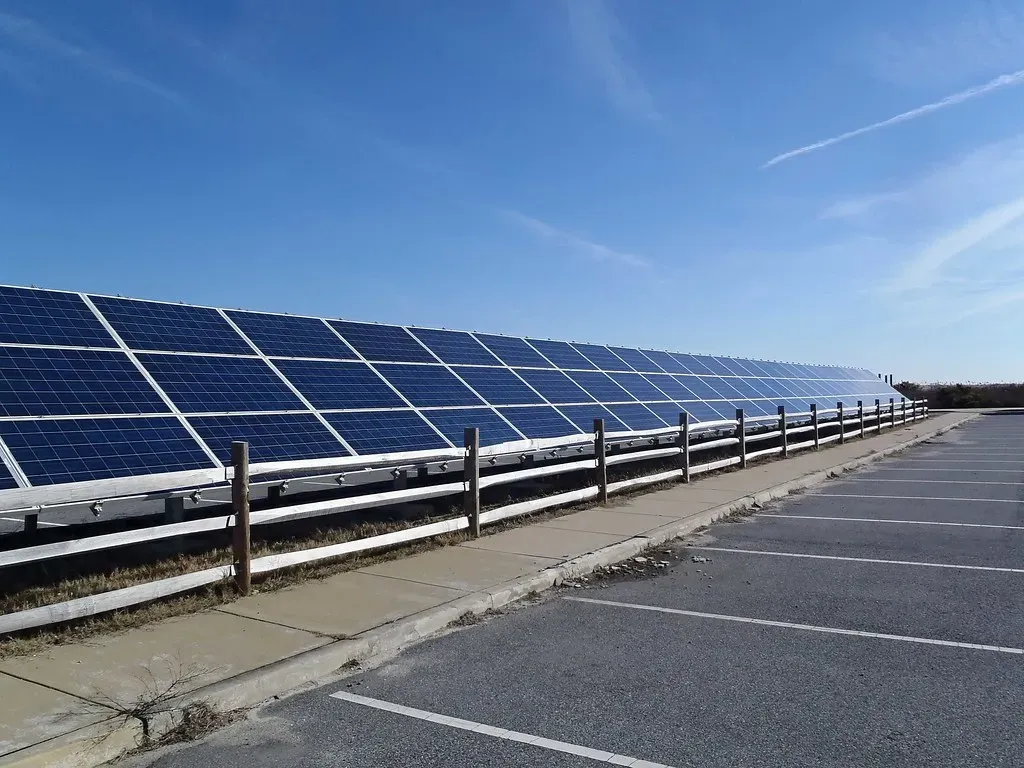
Where we have work to do. Bioreactors are energy-intensive, and we will not obscure that. Maintaining cell cultures at temperature and the manufacture of culture media are the largest contributors to our operational footprint. We are addressing this on two fronts: procuring renewable electricity for our facilities where the grid allows, and improving the energy efficiency of our processes as they scale. We consider decarbonizing cultivated-meat manufacturing an unsolved industry problem, and we would rather say so than overstate our progress.
Responsible sourcing
Our supply chain is short but specific, and two inputs warrant plain description.
Porcine bone scaffolds. Our bone-in products are matured on a porcine bone scaffold (see How It Works). We source this skeletal material as a co-product of existing pork production — bone that the conventional meat industry already generates and that would otherwise enter lower-value waste streams. Using it as a scaffold is a form of byproduct valorization: no animal is raised on our behalf for this purpose, and material that would have been discarded is given a second use. We require documented provenance and food-grade handling from our suppliers.
Founder cell samples. Establishing a cell line requires an initial cellular sample. Where these originate from living donor animals (birds and crocodilians, the living relatives whose cells host the reconstructed sequence), samples are taken as one-time, minimally invasive biopsies under veterinary supervision, from a small population of animals that are well cared for and that live out their natural lives. A single sample can seed production indefinitely, so the demand this places on animals is small and non-recurring by design.
Farmed alligator. Our Blended Sausage is roughly ninety percent farmed American alligator, sourced from a single farm in Florida. We will be candid: this is the one input in our business that we do not defend on environmental grounds. Reptile farming is not the lowest-impact protein available to us, and a premium sausage is, by any honest measure, not a necessity. We include it anyway — because the product matters to us for reasons other than efficiency, and because we would rather disclose a luxury plainly than bury it in a report. We account for its footprint, and we decline to pretend it improves the page it appears on.
Process stewardship and waste
Biomanufacturing generates waste, some of it hazardous, and managing it properly is a core operating responsibility rather than an afterthought.
- Spent media and process reagents. Used culture media, buffers, and the reagents associated with cell-line development — including the trace materials used in genetic work — are collected, neutralized, and disposed of through licensed channels in accordance with local biohazard and chemical-handling regulations in each jurisdiction where we operate.
- Biological waste. Cellular and tissue waste is rendered inert and handled as regulated biological material. None of it is released into general waste or wastewater.
- Consumables. Like the broader biomanufacturing sector, we rely on single-use components, including bioreactor liners. We recognize single-use plastics as a genuine sustainability tension in our industry, and we are evaluating reusable and recyclable alternatives as they become viable at our scale.
We would characterize our current performance here as competent and improving, not exemplary, and we prefer that framing to a more flattering one.
People and governance
The "S" and the "G" matter as much as the "E."
- Our people. We employ roughly seventy people across research, culinary, manufacturing, food safety, regulatory, and corporate functions, in several jurisdictions. We are committed to fair pay, safe working conditions, and a workforce built deliberately rather than hastily.
- Governance. Sustainability oversight sits with senior leadership and is reviewed alongside our broader risk and compliance functions. We hold ourselves to the regulatory standards of every jurisdiction in which we operate. (For our approach to bioethics specifically, see Safety & Ethics; for regulatory posture, see Regulatory & Compliance.)
Looking ahead
We will publish more detailed metrics, and submit them to independent assurance, as our production footprint grows. We would rather under-promise here and report real numbers later than lead with claims we cannot yet substantiate.
A third-party life-cycle assessment covering our 2025–2026 production campaigns is scheduled for publication in Q2 2027. Preliminary internal modeling is available to qualified partners under NDA.